Artikel: Canine Cough: Types, Causes, and Tips

Canine Cough: Types, Causes, and Tips
Why do dogs cough?
Coughing in dogs can be a natural mechanism for clearing the respiratory system, but it can also be a sign of poor health. Understanding why dogs cough is essential to effectively address the problem.
What types of dog coughs are there?
Coughing in dogs can be classified into several types based on its characteristics and associated sounds. Identifying the type of cough can help determine the underlying cause and appropriate treatment.

Non-productive or irritating
This type of cough is usually dry and harsh, similar to a human cough when experiencing throat irritation. It can be caused by allergies, environmental irritants, or respiratory problems.
Wet and with phlegm
A wet cough indicates the presence of mucus or phlegm in the airways. This can be caused by bacterial or viral infections affecting the dog's lungs or throat.
Dry
A dry cough in dogs is one that does not produce phlegm or mucus. It can be caused by environmental irritants, allergies, or respiratory conditions such as tracheal collapse.
Wheezing
A wheezing cough produces a high-pitched, whistling sound when breathing. It may indicate the presence of a problem in the airways, such as tracheal collapse or canine asthma.

How do we differentiate between a cough and a gag?
It is important to be able to distinguish between a cough and a gag in dogs, as both can sound similar but have very different causes and treatments. Coughing with gagging in dogs can be caused as a defense mechanism of the furry friend's body. It serves to help them forcefully expel air from their lungs and thus eliminate toxic substances, such as dust.
A cough is a repetitive, forced sound coming from the chest, while a gag is a sudden, single abdominal reflex that may indicate a possible choking or gastrointestinal problem.
Common causes of coughing in dogs
Several conditions can trigger coughing in dogs. It is important to know these causes to effectively address the problem and provide appropriate treatment for our pets.
Sudden temperature change
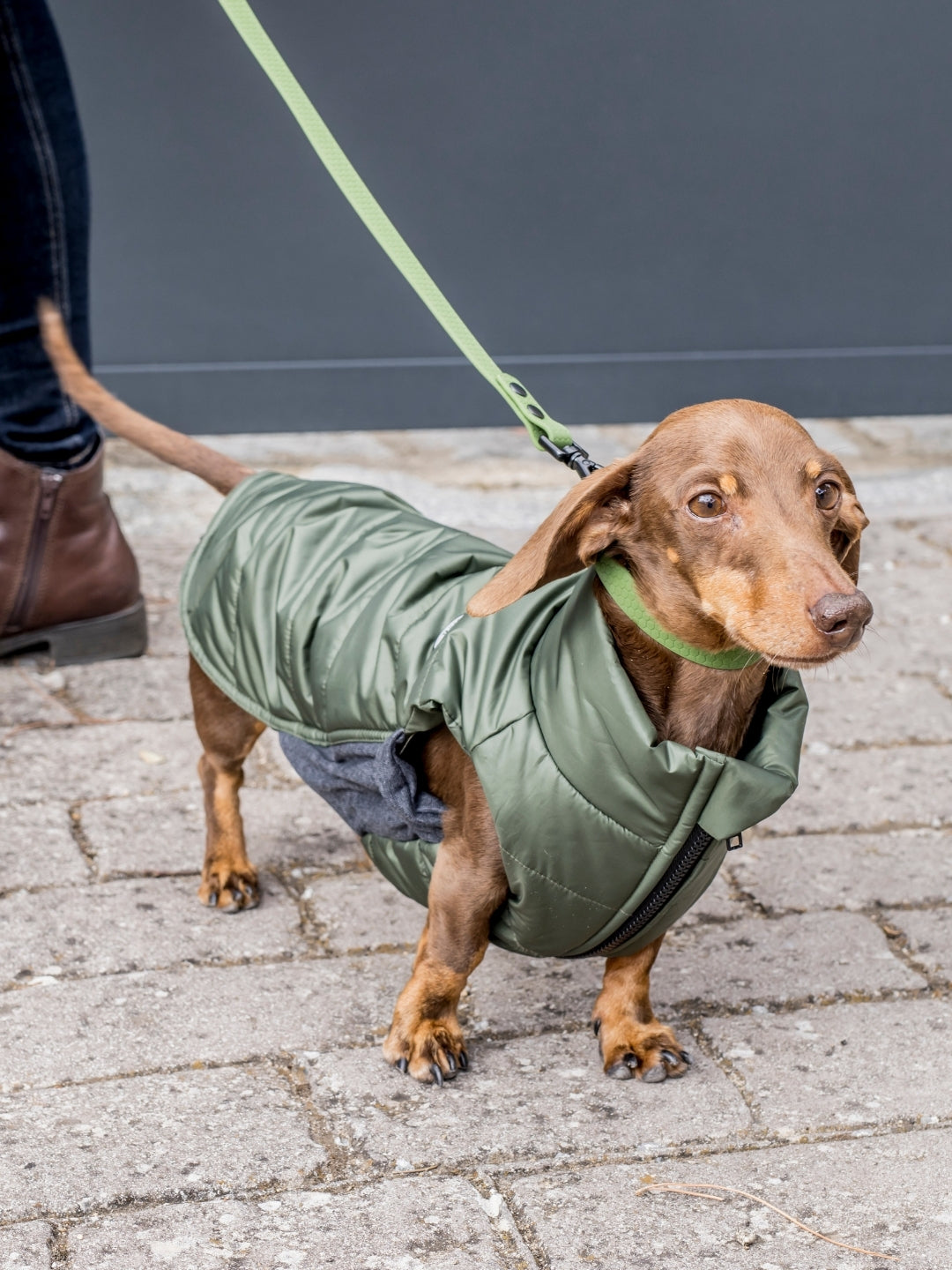
In winter, our dog often enters a place with high heating, and in summer, through the same process, but with air conditioning; this creates a contrast with the outside temperature. In these cases, helping them with the best dog clothing can protect their health and reduce the risk of coughing due to cold.
Continuous barking
This causes the dog's airways to become obstructed and makes them cough, but it can also happen if the collar they wear for walks is too tight.
Allergens
It can be caused by a contaminated environment: whether it's tobacco, a strong-smelling air freshener that causes throat irritation, or tiny dust particles.
Tracheal collapse
Tracheal collapse is a common condition in small and miniature breeds, where the airways narrow and collapse, making breathing difficult and causing coughing.
Pneumonia
Pneumonia is a bacterial or viral infection in the lungs that can cause coughing, difficulty breathing, and other serious respiratory symptoms in dogs.
Heart diseases
Heart diseases, such as congestive heart failure, can lead to fluid accumulation in the lungs, resulting in coughing and difficulty breathing in dogs.
Flu or bronchitis
Viral infections such as canine flu or bronchitis can cause persistent coughing and other respiratory symptoms in dogs.

What do I do if my dog coughs as if something is stuck in their throat?
If your dog coughs as if something is stuck in their throat, it's important to act promptly to determine the cause and provide appropriate treatment. Here are some tips to help your dog feel better:
- Observe the symptoms: Pay attention to the frequency and severity of your dog's cough, as well as any other symptoms they may present, such as difficulty breathing or lethargy.
- Consult a veterinarian: If the cough persists or is accompanied by other worrying symptoms, visit the veterinarian for an accurate diagnosis and an appropriate treatment plan.
- Avoid irritants: Keep your dog away from potential environmental irritants, such as cigarette smoke, strong cleaning products, or perfumed sprays.
- Provide a calm environment: Create a calm and stress-free environment for your dog, as stress can worsen respiratory symptoms.
- Hydration: Make sure your dog has access to a dog feeder with fresh water at all times to stay well hydrated, which can help relieve throat irritation.
Home remedies for dog coughs
In addition to following your veterinarian's recommendations, there are some home remedies that can help naturally alleviate coughing in dogs. However, it is important to consult with a professional before administering any home remedy. Some include:
Honey
Honey can help soothe an irritated throat and reduce coughing in dogs. Mix a small amount of honey in your dog's water or give it directly as an occasional treat.
Steam baths or using humidifiers
Steam baths or the use of humidifiers can help relieve congestion and irritation in dogs' airways, which can reduce the frequency and severity of coughing.
Vitamin C
Vitamin C is an antioxidant that can help strengthen your dog's immune system and fight respiratory infections that can cause coughing.
Leafy green vegetables
Leafy green vegetables, such as spinach or kale, are rich in antioxidants and nutrients that can help strengthen your dog's immune system and promote respiratory health; mix them with their kibble.
Cinnamon
Cinnamon has anti-inflammatory and antimicrobial properties that can help relieve throat irritation and reduce coughing in dogs.
Mint
Mint has soothing properties that can help reduce coughing and throat irritation in dogs. Add a few fresh mint leaves to your dog's water. You can also buy it powdered at a herbalist and mix a teaspoon with their food; in addition to soothing their throat, it will leave them with very fresh breath.
What to do if my dog won't stop coughing?
If your dog won't stop coughing or if the cough worsens or is accompanied by other worrying symptoms, it's important to seek immediate veterinary attention. A veterinarian will be able to perform a complete examination and diagnose the cause of the cough.
In conclusion, coughing in dogs can be a symptom of various health conditions, some of which can be serious if not treated properly. It is important to be alert to any changes in your dog's behavior or health and seek veterinary attention if you notice any concerning symptoms. With proper care, appropriate dog accessories, and timely treatment, most cases of coughing in dogs can be successfully managed and improve their quality of life.
See you in the next post!
WOOF!!!