Article: Small dog breeds: names and characteristics

Small dog breeds: names and characteristics
General Characteristics of Small Breed Dogs
Small breed dogs stand out for their reduced size, making them ideal for people living in apartments or limited spaces. Although small in size, these breeds have big personalities and a wide range of physical and behavioral characteristics.
Size, Weight, and Appearance
The size and weight of small breed dogs vary depending on the breed, but generally, these dogs weigh between 1 and 10 kilograms. Their height usually does not exceed 35 centimeters at the shoulder. Some breeds, like the Chihuahua, can be extremely small, while others, like the Corgi, have more robust bodies but maintain a short stature. The appearance of small dogs is very varied, with some breeds having long coats, like the Maltese Bichon, and others with short hair, like the Miniature Pinscher.
Life Expectancy
One of the advantages of small breed dogs is their longevity. On average, these dogs live between 12 and 16 years, although some breeds, like the Dachshund or the Yorkshire Terrier, can live over 18 years with proper care. Factors such as genetics, lifestyle, and veterinary attention influence life expectancy.
Health Problems
Despite their longevity, small breed dogs can be prone to certain health problems. Among the most common are:
Dental Problems: Due to their small jaw, many small breeds suffer from dental problems such as tartar buildup and tooth loss.
Respiratory Problems: Some breeds, like the French Bulldog and the Pug, have short snouts, which can cause breathing difficulties.
Patellar Luxation: This is a common problem in small dogs, where the kneecap dislocates from its normal position.
Behavior and Personality
Small breed dogs are known for their big personalities, often challenging their small size with strong and energetic temperaments. Some breeds, like the Jack Russell or the Pomeranian, are very active and require a lot of exercise, while others, like the Shih-tzu and the French Bulldog, tend to be more relaxed and enjoy tranquility. Despite their differences, most small dog breeds are extremely loyal and enjoy human companionship.

Benefits of Owning a Small Breed Dog
Adaptability to small spaces: Small breed dogs are ideal for living in apartments or houses with limited space, as they don't need large areas to move around.
Easy transport: Due to their compact size, it's easier to take a small dog on trips, whether by car, public transport, or even plane. Also, some hotels may have issues with large dogs.
Less food expense: Small dogs require less food compared to large breeds, which translates to significant savings on feeding costs.
Long life expectancy: Small dogs generally live longer than large dogs, meaning you can enjoy their companionship for more time.
Less physical effort: Although they need exercise, the amount and intensity required for a small dog is less, which is ideal for people who don't have as much time or energy for long walks.
Easy to handle: Small dogs are easier to control physically, which is helpful for older people or those with less physical strength.
Less mess: Their compact size means they make less mess at home, take up less space on the sofa or bed, and it's easier to keep their environment clean.
Reduced veterinary costs: Although it depends on the breed and the dog's health, in general, treatments and medications for small dogs tend to be less expensive due to their size.
Compatibility with other animals: Small dogs usually adapt better to living with other domestic animals, as they do not impose a large physical presence, which can facilitate integration with other pets.
Greater sociability: Many small dogs are known for their sociable and affectionate demeanor, making them excellent companions for people of all ages, including children and seniors.
Small Dog Breeds That Don't Grow Much
If you're looking for a dog that stays small throughout its life, here's a list of small dog breeds that don't grow much. These breeds are perfect for those seeking a compact dog they can house in a small home or easily travel with.
Maltese Bichon
The Maltese Bichon is one of the most popular small dog breeds. With its silky white coat, this dog has an average weight of 3 to 4 kilograms. They are affectionate, playful, and adapt well to indoor life. Discover five essential coats for Maltese Bichons.
Pomeranian
The Pomeranian is known for its fluffy appearance and big personality. Despite their small size, with a weight ranging from 1.5 to 3.5 kilograms, they are brave and very loyal to their owners.
Miniature Pinscher
The Miniature Pinscher is a small but very active breed. They weigh between 4 and 5 kilograms and have an elegant appearance with a short, shiny coat. They are very energetic and love to play.
Chihuahua
The Chihuahua is undoubtedly the smallest dog breed in the world, with a weight ranging from 1.5 to 3 kilograms. Despite their tiny size, they are known for their bravery and protective attitude towards their owners. One of the most common is the deer-head Chihuahua.
Corgi
The Corgi, known for its short legs and sturdy body, is a small and active dog. Although they weigh a bit more than other small breeds, they usually do not exceed 12 kilograms. They are loyal and very intelligent dogs.
French Bulldog
The French Bulldog is one of the most popular small dog breeds in cities and apartments. They weigh between 8 and 12 kilograms and are known for their calm and affectionate nature. Their flattened face can cause them some respiratory problems, but with proper care, they make excellent companions.
Poodle
The Toy Poodle is a small breed that doesn't grow much, known for its intelligence and trainability. They weigh between 2 and 4 kilograms and have a curly coat that requires constant care. Check out our blog to learn about the latest trends in clothing and accessories for poodles.
Pug
The Pug is a small breed weighing between 6 and 8 kilograms. They are affectionate and love to be close to their owners. Their wrinkled face and short snout give them a distinctive look, but can also lead to respiratory problems.
Jack Russell
The Jack Russell is a small but very active and energetic breed. They weigh between 6 and 8 kilograms and are known for their intelligence and need for daily exercise. They are ideal for active people who enjoy the outdoors. However, it is advisable for them to wear a Jack Russell coat or similar garment, especially in colder seasons.
Shih-tzu
The Shih-tzu is a small, calm breed with a long, silky coat. They weigh between 4 and 7 kilograms and are known for their relaxed temperament and affection towards family members. They are famous for barking little and being quite calm.
Dachshund
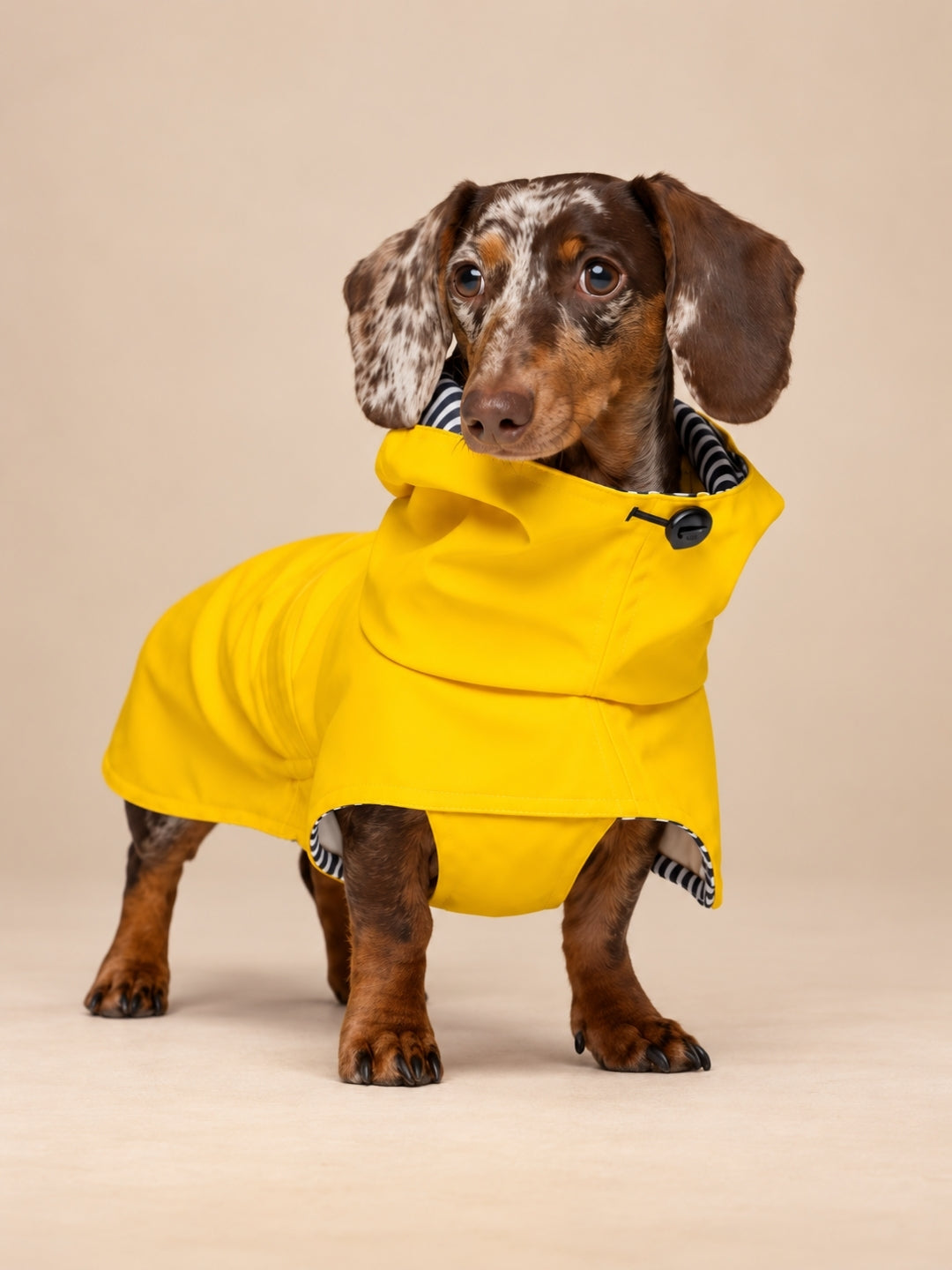
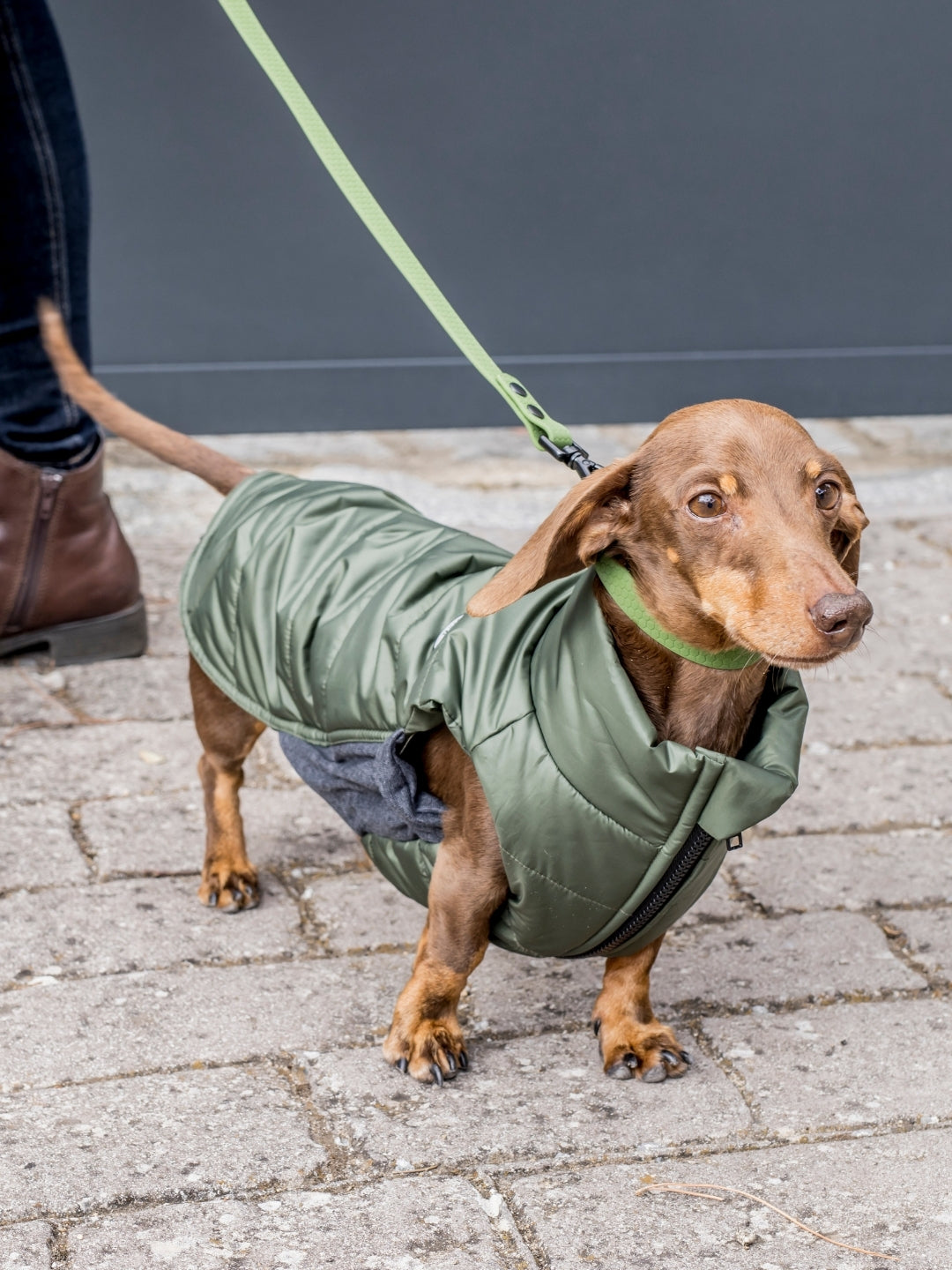
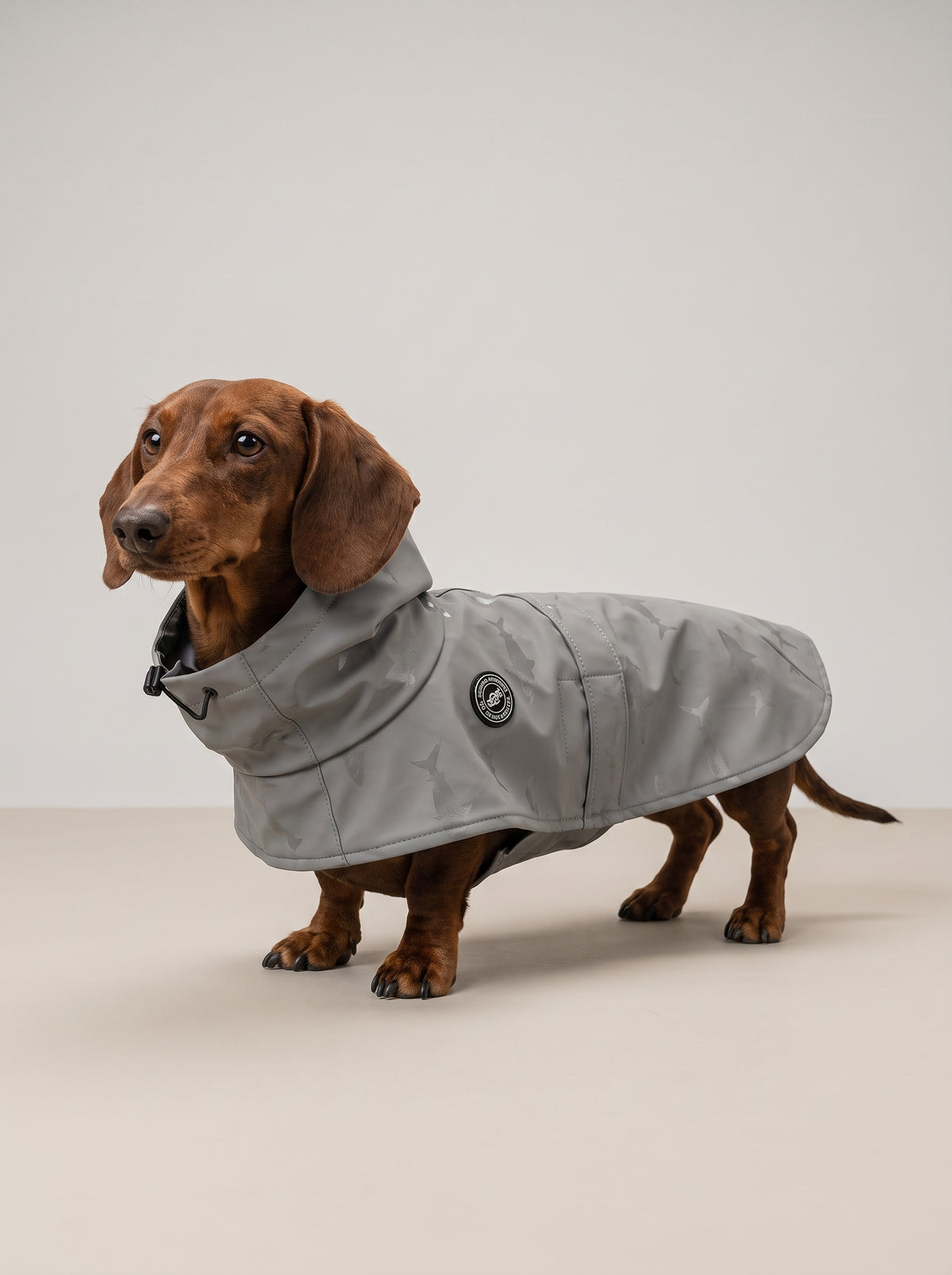
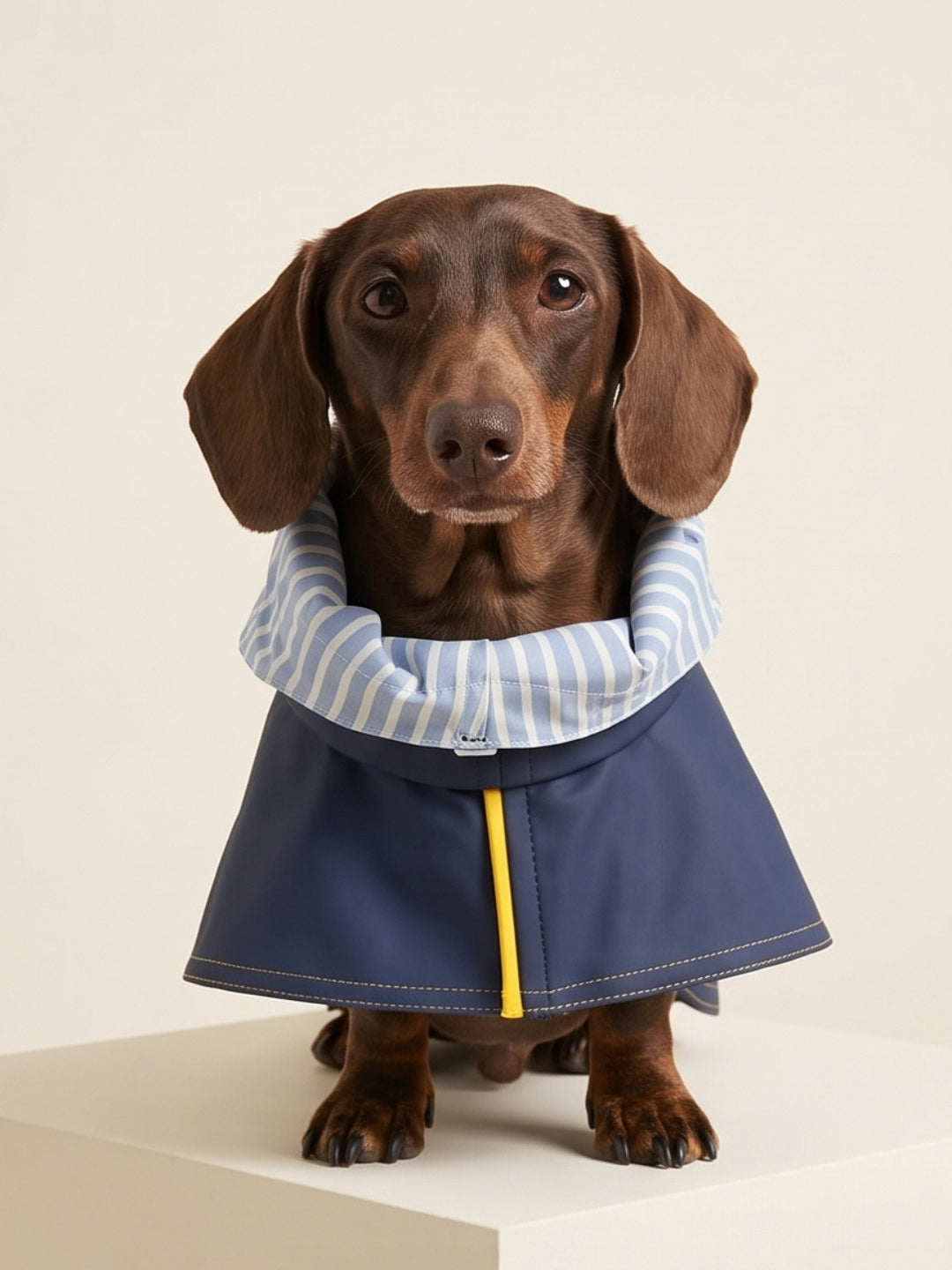
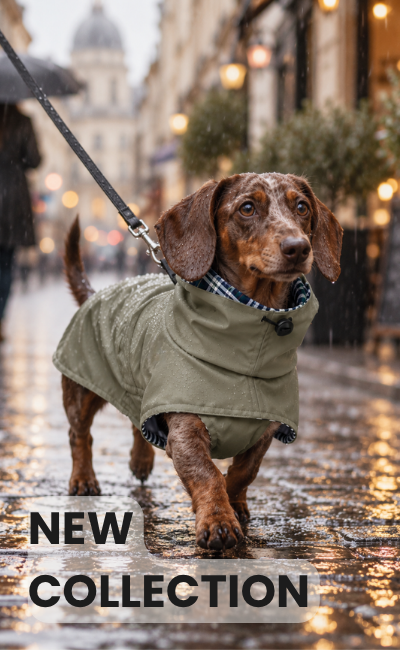
The Dachshund, also known as a sausage dog, is a small breed with an elongated body and short legs. They weigh between 6 and 9 kilograms and are brave and energetic dogs. They are ideal for indoor living due to their compact size. You can also take them anywhere using the appropriate small dog accessories.
Yorkshire Terrier
The Yorkshire Terrier is one of the most popular small dog breeds in the world. They weigh between 2 and 3 kilograms and are known for their long, silky coat. Despite their size, they have a brave and protective personality. Some of our coats for Yorkshire Terriers.
Andalusian Bodeguero
The Andalusian Bodeguero is a small Spanish breed, agile and full of energy. They weigh between 6 and 8 kilograms and are ideal for people looking for an active and playful dog.
Cavalier King Charles Spaniel
The Cavalier King Charles Spaniel is an affectionate and friendly breed. They weigh between 5 and 8 kilograms and are ideal for families with children or other pets. They are calm and enjoy human companionship.
Papillon
The Papillon is a small, elegant breed, known for its butterfly-shaped ears. They weigh between 2 and 4 kilograms and are intelligent and loyal dogs.

Tips and Care for Small Dogs
Small breed dogs require specific care. Being more fragile than large breeds, it is important to pay attention to their dental health, keep them active, and provide them with a balanced diet adapted to their needs. Here are some essential tips and care for small dog breeds that can help you keep your pet healthy and happy:
Proper Feeding
Small breed dogs have a faster metabolism than large dogs, so they require specific food for their size and activity level. Make sure to give them high-quality food, formulated for small dogs, that meets all their nutritional needs. It's important to control portions to avoid overweight, which can cause health problems.
Dental Care
Small dog breeds are prone to dental problems, such as tartar buildup and tooth loss. Brush their teeth regularly with special dog toothpaste and consider offering toys or treats designed for dental health.
Regular Exercise
Although small dogs don't need as much exercise as large breeds, it's essential to keep them active. Daily walks and play sessions are crucial for maintaining their physical and mental well-being. Some breeds, like the Jack Russell or the Pinscher, are particularly energetic and require more activity.
Coat Care
Depending on the breed, small dogs may need specific coat care. Breeds like the Shih-tzu, Poodle, and Yorkshire Terrier require frequent brushing to prevent their hair from tangling. Additionally, some small breeds, like the French Bulldog, have sensitive skin and need special care to avoid irritation.
Regular Vet Visits
Small dogs can be prone to certain health problems, such as patellar luxation, respiratory problems, or dental diseases. Regular veterinary check-ups are essential to detect any problems early and keep them in optimal health.
Weight Control
It is easy for small dogs to gain weight quickly, which can negatively affect their health. Keep a strict control of their diet and make sure to provide them with an adequate amount of exercise. Avoid giving them too many treats or human food scraps.
Care for their joints
Small breeds can have joint problems, especially if they jump from high places. Prevent your dog from jumping off high beds or sofas, and consider using ramps to protect their joints, especially in breeds like the Dachshund.
Provide them with a comfortable space
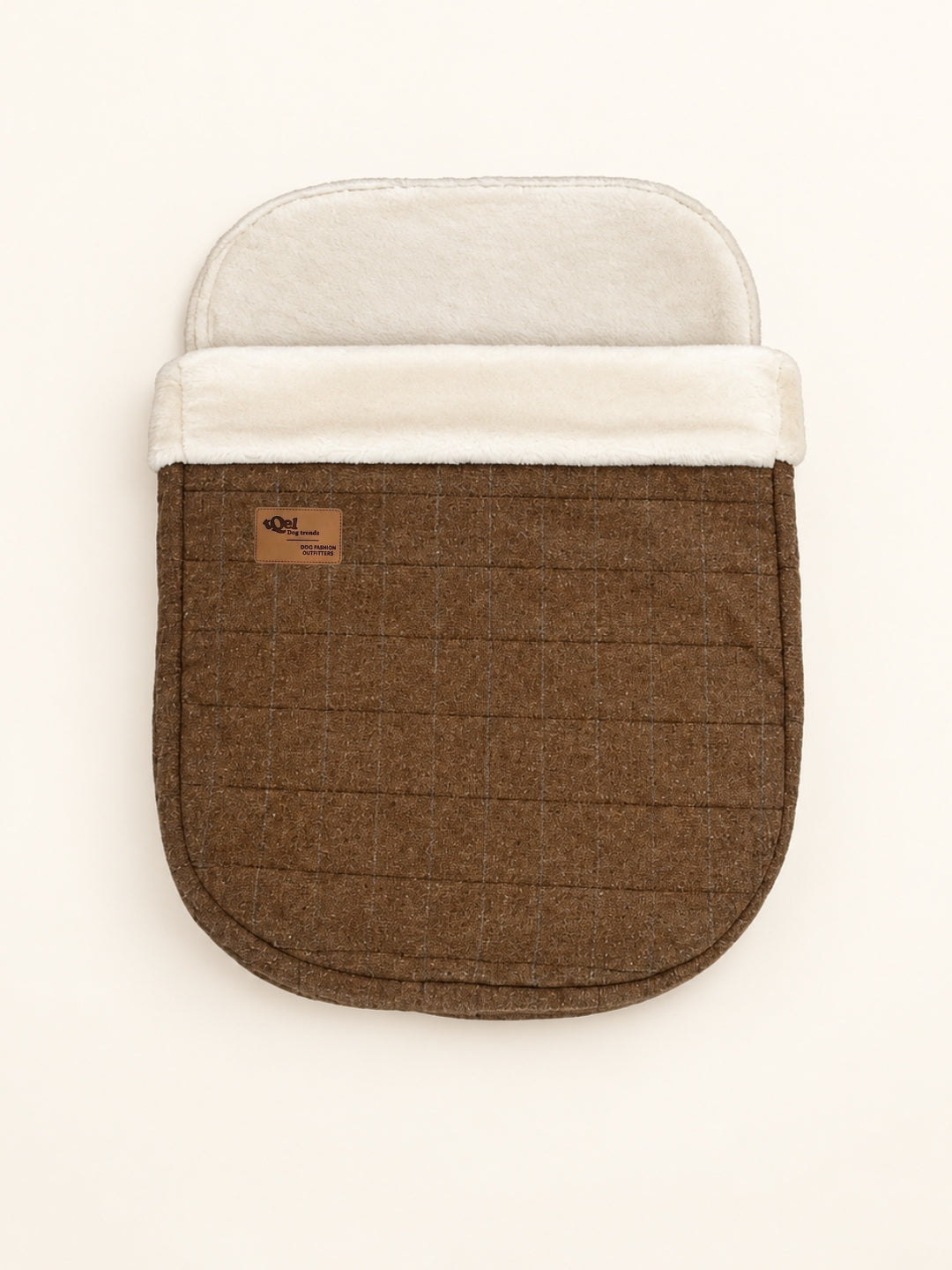
Small dogs can be more sensitive to cold, so it's important to provide them with a warm and comfortable place to sleep. Create a safe space with a padded bed and blankets so they feel protected.
Attention to Behavior
Some small dog breeds tend to be territorial or nervous, which can lead to behaviors such as excessive barking. Work on their socialization from an early age and use positive reinforcement to improve their behavior.
Toys and Mental Stimulation
Small dogs are intelligent and require mental stimulation. Provide them with interactive toys and intelligence games to keep their minds active and prevent boredom, which can lead to destructive behaviors.

What is the smallest dog breed?
The Chihuahua is considered the smallest dog breed in the world, with some specimens weighing less than 2 kilograms. Despite their tiny size, they are brave dogs and very protective of their owners.
Which small dog breeds are calm?
If you're looking for a small dog breed that is calm, consider the Shih-tzu, the French Bulldog, or the Cavalier King Charles Spaniel. These breeds tend to be more relaxed and enjoy a quiet indoor life.
Which small dog is the most affectionate?
The Cavalier King Charles Spaniel is known for being one of the most affectionate small dogs. Their sweet and loving nature makes them one of the best companion breeds for families and seniors.
In conclusion, small dog breeds are ideal for those looking for a pet that adapts to small spaces, is easy to transport, and has a great personality. Although they require specific care, such as proper nutrition, dental attention, and regular exercise, and the use of clothing and accessories for small dogs, their compact size and longevity make them exceptional companions.
There are many small dog breeds that don't grow much, each with unique characteristics that adapt to different lifestyles. When choosing a small breed dog, it is important to consider all its needs, behavior, and potential health problems, ensuring that they receive the love and care necessary to enjoy a long and healthy life by your side.